

In-House, Freelance, or Agency? Find the Right Choice for Your Organization’s Design Needs
As you plan for the future of your marketing department, design expertise is always near the top of your list. But design expertise comes at a cost, and your organization’s budget is always under pressure. What is the best way to decide how to resource the right talent for the marketing efforts in your plan?
Ultimately, the answer comes down to your organization’s needs—and the most effective choice for addressing them.
3 Options for Meeting Your Organization’s Design Needs
Your organization will always have design needs. When deciding how to meet them you have the following options:
1. Hiring an In-House Designer to Support Marketing Initiatives
In terms of providing dedicated expertise, hiring a new full-time designer has a number of clear advantages. An in-house designer will be primarily focused on what you assign them, and you have the most control over how their work is prioritized.
Hiring a new team member is the best option when you’re facing a consistent volume of marketing projects that will justify this role and its expenses. A dedicated full-time designer offers the additional advantage of bringing on an individual who will grow to fully understand the needs of your organization and how it functions.
Disadvantages of Hiring a Full-time Designer
Hiring a full-time designer may be a fixed expense but isn’t cheap. Along with accounting for salary, benefits, equipment, and ongoing training and education, you also need to factor in the inherent challenges of the job market for designers.
Top-tier design talent typically gravitates to design agencies that offer a wide variety of clients and projects, plus a team of other creatives to learn from and collaborate with. Because of this, designers will often take a lower salary to work in an agency environment rather than an in-house position at an association. As a result, if you want to hire a skilled designer, they won’t come cheap.
Another challenge of in-house talent is that they rarely get the opportunity to develop deep skillsets. In-house designers often get bogged down with endless small to mid-sized tasks and lose the capacity for bigger projects. Without a creative director to push a designer’s creativity, their work can easily plateau. An in-house designer must be very self-motivated to push themselves to perform at a high level consistently.
As an in-house designer grows immersed in your organization’s internal politics and motivations, they gain deep knowledge about your organization but can lose the perspective to think big. You need to ensure the talent that supports your marketing is in a position to consistently deliver standout creative solutions that will keep your organization moving forward.
2. Hiring a Freelance Designer
Bringing on an individual freelance designer constitutes the middle ground of your three options. A freelancer avoids the additional overhead of bringing on a full-time employee, and it allows your organization to temporarily add valuable skillsets.
A freelancer is ideal when your marketing team has multiple projects in the works but not enough consistent design work to justify a full-time employee. They can be a quick, flexible, cost-effective option.
Drawbacks to Working with Freelance Designers
The freelance market is full of experienced designers who can take on your organization’s next project. However, you get what you pay for in terms of skill level, availability, and responsiveness. The most talented designers are not only expensive but are also in demand and often hard to reach.
A less-experienced designer may be cheaper, but they may lack the skill set your organization needs. Freelancers don’t have project managers or other support staff so you’re often at the mercy of their schedule, workflow, and other priorities.
A freelancer offers you the flexibility to complete your marketing projects, but that flexibility goes both ways. If you need a project delivered by a specific date, a freelancer may be tied up with a full-time job or other clients when you need them most.
3. Contracting With a Dedicated Design Agency
Even if your in-house design team can support your organization’s day-to-day marketing priorities, some projects require additional expertise. Higher stakes and time-intensive projects such as big events or transformative initiatives such as branding and website redesigns strain any organization’s resources and push the limits of their skill sets. That’s where an outside agency offers crucial advantages.
Agencies offer an outside perspective that no in-house designer is equipped to deliver. They don’t have pre-existing relationships with stakeholders, and they aren’t tied to internal politics, history, or biases that inhibit new ideas. They have decades of experience helping clients like you. With access to multi-disciplinary teams, they can create and manage everything your project needs and deliver these items on time.
When you hire a specialist agency they have solved your problem many times, in many different ways. They have built a creative team full of individuals who bring different talents and experiences to the table. You didn’t have to hire them, train them, or manage these unconventional employees. You get to hire them to drop in and solve your problem.
Downsides to Partnering With an Outside Agency
Agencies are nimble and scalable. They have access to a broad rolodex of talent to serve your needs, including designers, strategists, writers, and developers. But all that expertise and reliability costs money.
One-off smaller design jobs aren’t cost-effective for an agency to produce and are often beyond the scope of the services they provide. If your organization has a limited budget, you should work with an agency for only your biggest, most important projects.
It can also be challenging to identify the right agency to work with. Especially if you’ve had a bad relationship in the past. When selecting an agency we suggest a QBS process over the older RFP model.
The Ideal Mix: Partnering With an Agency for a Hybrid Approach
Combining an in-house designer with an outside agency offers the best of both worlds. When you use a staff designer, these individuals can handle the day-to-day demands of your marketing department. Then, for larger projects, you can turn to an agency to provide the outside perspective combined with the advanced skills and experience you need.
An outside agency offers a boost of creative horsepower. To stay competitive, they have to remain informed of the latest design trends and technologies. Plus, they offer a critical perspective that will challenge “the way we’ve always done it” and find real solutions to your marketing needs.If this sounds like a relationship that will benefit your member-driven organization, we should talk. We’ll make sure your next project has the right talent on hand to create the results you need.
9 Problems Brand Systems Fix
The workforce is changing, and member-driven organizations must evolve their approaches to prove their value to today’s members.
Demonstrating the value of what your organization offers an audience of millennial and Gen Z members requires more than a fresh website or revamped social media strategy. You need to develop your brand to ensure that every aspect of your organization’s story is expressed in a clear and cohesive way.
To resonate with the new generation of members, good branding is not a nice-to-have. It’s not icing on the cake. Your brand is the cake. And to create a compelling brand that connects with your audience, you need to establish a brand system.
In this eBook, you’ll learn:
- The distinction between brand systems and brand guidelines.
- What goes into an effective brand system for member-driven organizations.
- A diagnostic approach to 9 common ways a brand system resolves issues in how organizations like yours tell their story.
- How your brand is your strongest communication tool for connecting with the audiences your marketing needs to attract most.
Download ebook
How a Custom WordPress Site Gives Your Association Superpowers
Today, the bulk of what you see on the Internet runs on WordPress. Over 40% of all websites are built on the platform, and 65% of all websites that run on a CMS use WordPress to support their digital publishing. As you consider what your association website needs to be successful, WordPress casts a long shadow over every other option.
Frankly, there’s a reason for that. WordPress is a powerful and flexible platform that supports an array of custom plugins and third-party integrations. When utilized properly, WordPress allows organizations like yours to implement whatever website functionality your members need.
By working with the dominant open source CMS in the marketplace, you can be assured that future needs ranging from software updates to development resources are easy to procure. Plus, when you take the extra steps to customize the backend interface, you can ensure your site editors will publish timely updates with a streamlined experience that protects your brand.
With the help of the right digital agency, your WordPress site will empower both your association and your members right now — and far into the future.

5 Advantages of a WordPress Association Website
1. WordPress is Expandable and Flexible
With a proprietary CMS, you’re at the mercy of the product’s parent company to introduce improvements or respond to security or feature requests. The popularity of WordPress has led to a large community of developers which means improvements and new functionality is released more regularly. And with complete access to the source code, you’re able to expand its functionality as you see fit with virtually no limits.
2. Editing in WordPress is a User-Friendly Experience
Out of the box, the WordPress admin interface is easy to navigate. Content editing is intuitive, and the platform allows you to preview your changes before publication. For the most part, the editing interface follows norms from word processing software, which allows more people on your team to learn to manage your site with a lower barrier to entry.
Already designed to eliminate the need for your site editors to understand code, the WordPress CMS grew more simplified in 2018 with the block editor, known as Gutenberg. The block editor allows your teams to easily edit and rearrange custom elements on any page. Page layout changes that once required technical expertise can be done with a click, while protecting the integrity of your brand.
When you work with an agency like ours, we customize the interface to suit your needs even further. When your teams need to make changes, they see only the editing tools and functionality they need — and none of what they don’t.
3. WordPress is Powered by an Active Open Source Community
WordPress is an open source platform, which means developers can access the platform’s source code to expand its capabilities. Just as importantly, your organization also benefits from an active community keeping the platform up-to-date.
WordPress is so ubiquitous, it benefits from a huge population of developers working to resolve bugs or create new features and plugins. The platform also has a dedicated security team of developers and researchers working to discover and resolve any detected vulnerabilities.
When you use a proprietary CMS, your organization is at the mercy of the parent company’s development schedule for new feature releases. By contrast, the WordPress community ensures the platform remains in a state of constant improvement. On average, WordPress releases two new updates per month. And with an open source platform, you have complete access to the source code, so you can create any custom features you need.
4. WordPress is Scalable
WordPress is flexible enough to handle sites ranging from small businesses to corporate giants. The core technologies within WordPress have been proven over time, which means your developers don’t need to reinvent the wheel when it comes time to setting up the server infrastructure. However far-reaching your organization’s goals may be, WordPress will be able to take your site there.
5. WordPress is SEO-Friendly
When you’re managing large amounts of content for your organization’s site, you need a platform that integrates SEO from the beginning. If your site isn’t visible to search engines, it’s effectively invisible to your new and prospective members. WordPress incorporates best practices that are ranked highly by search engine algorithms. Plus, WordPress supports plugin tools like Yoast that ensure your content conforms with requirements to boost search engine rankings.

WordPress Integrations Connect Your Association’s Website with Vital Tools
WordPress is flexible enough to be customized to support whatever design and functionality your association website needs. That flexibility is best reflected with how well WordPress integrates with third-party platforms to expand your site’s capabilities with external data or functionality.
Of all of the advantages WordPress offers, one of the greatest stems from its overall popularity. Whenever a software service provider creates an application, it’s always in their best interest to provide a plugin that integrates their system with WordPress because it connects them to millions of potential customers. Same can’t be said for less popular platforms, as you’ll have to either wait and hope for someone to build an integration that you can license, or spend lots of time and money yourself creating the integration.
And when an integration doesn’t already exist, WordPress allows us to create custom integrations for you with most modern systems and data sources. Whether you work with a tool like MemberSuite, here are just a few examples of how WordPress integrations create a richer website experience for members:
- Event calendar and management: Use an API integration to pull your organization’s events from an AMS into WordPress to create a centralized and user-friendly calendar.
- Directory management: Draw member information from your AMS to create an interactive directory searchable by location or other details. If you need to display information for specific committees, we can design your site to display those too.
- Member management: Remove the need for multiple login points and create a single-sign-on integration with your AMS to give different levels of access to your website to staff, members, committees and even the board.
WordPress is so extendable that your site can sync with multiple data sources to further build community and increase engagement among your members. You just need to work with the right partner to bring all the pieces together.
How to Customize WordPress to Suit Your Association’s Needs
WordPress is the dominant website platform. But not all WordPress sites are created equal. You need a website that’s consistent with your brand, cohesive with the rest of your organization, and simple enough to manage that your team can easily edit and publish new content.
Due to its popularity, you can find a countless number of low cost and off-the-shelf themes and templates that may appear to suit your needs. But these templates are built as broadly as possible to serve the needs of as many organizations as possible. That comes with many disadvantages. You’ll never find a theme that’s designed to solve your specific challenges, communicate effectively with your unique audiences, or one that sets you apart from your competition. In addition, it will include hundreds of features your organization will never use. These elements will leave you with a site that’s more confusing to edit and manage, and unnecessary bloat that can slow site performance and drag down search engine rankings.
WordPress offers a variety of ways to create a website customized for your organization, but you need to start from the ground up. When you work with Position, you can be assured that your site will be finely-tuned to accommodate what you need, no more — and no less.
Our approach to WordPress design and development delivers two benefits to your organization:
Protect Your Brand and Your Investment
Your brand communicates your organization’s mission, values, and vision, and builds trust and loyalty from your members.
An off-the-shelf template can be your brand’s worst enemy by being too flexible. It may empower your teams to build whatever they want, but the end results are detrimental to your organization. As you have multiple people working on your site, your organization soon has multiple pages designed to suit numerous needs and standards. All too quickly, your new website will degrade into a state worse than before.
A site that degrades over time isn’t just a bad investment; it creates an overall negative impact on your organization’s brand.
On the other hand, a custom WordPress site built in accordance with your brand, goals, and best practices, leaves your organization better positioned for the future. At Position, we build sites that create a separation between design, functionality, and content, which protects your brand while giving your team just the right amount of flexibility to edit and manage your content.
Empower Teams with an Intuitive Editing Experience
At Position, we build systems that are designed to make your life easier. A customized, ground-up approach to your organization’s site doesn’t just create an admin interface for site editors that’s intuitive and easy-to-manage. It also will provide guardrails that protect your site’s design, aesthetic, and performance in the long run.
Your organization moves at the speed of light, and you need a site that enables your team to be responsive to your needs. When you need a last-minute landing page to support an upcoming event, your teams will be empowered to create what you need without having to reach out to anyone for help.
When you need a new website, the end results are simply too valuable not to protect. When you’re working with the right agency, those protections will already be in place.

Don’t Let Your Site Be a Jack-of-all-Trades and Master of None
You need a website that perfectly serves the specific needs of your association and your members (and next generation of members). And you don’t have to figure it out on your own.
Let’s talk about building a custom WordPress website that makes an impact — now and for years to come.
How Event Branding Boosts Attendance, Sponsorship Dollars — and Your Organization’s Profile
As you approach the deadlines for your organization’s annual event, the pressure only grows. After all, no matter whether you’re set to stage a gala, fundraiser, or convention for members, the gathering provides a crucial connection with your most valuable audience.
If you host events for your members, you know attendance and sponsorship numbers from those events have a significant effect on your bottom line. Each event presents an opportunity to energize or even expand membership and increase revenue. To unlock your event’s real potential, you need to incorporate clear, consistent branding and an elevated design.
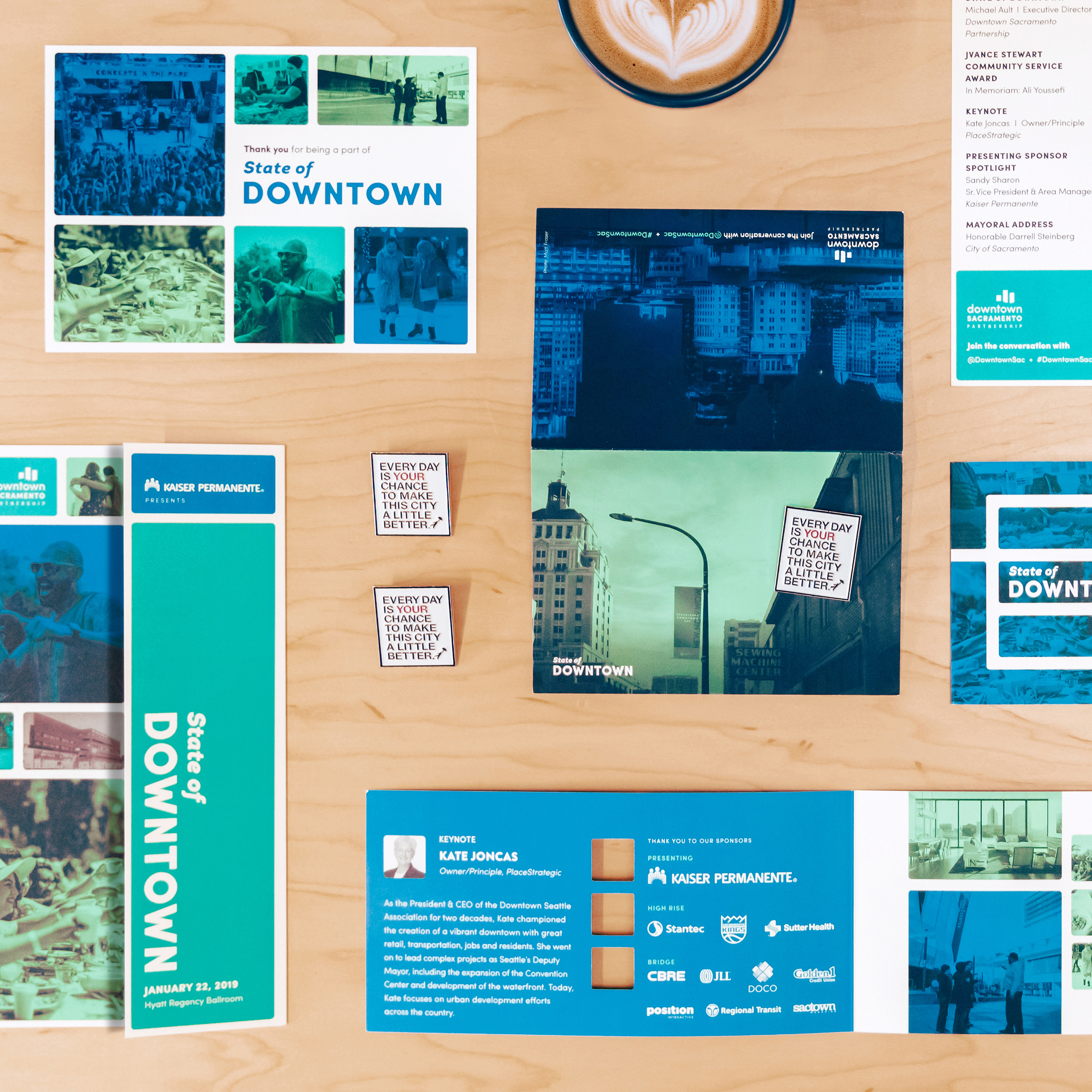
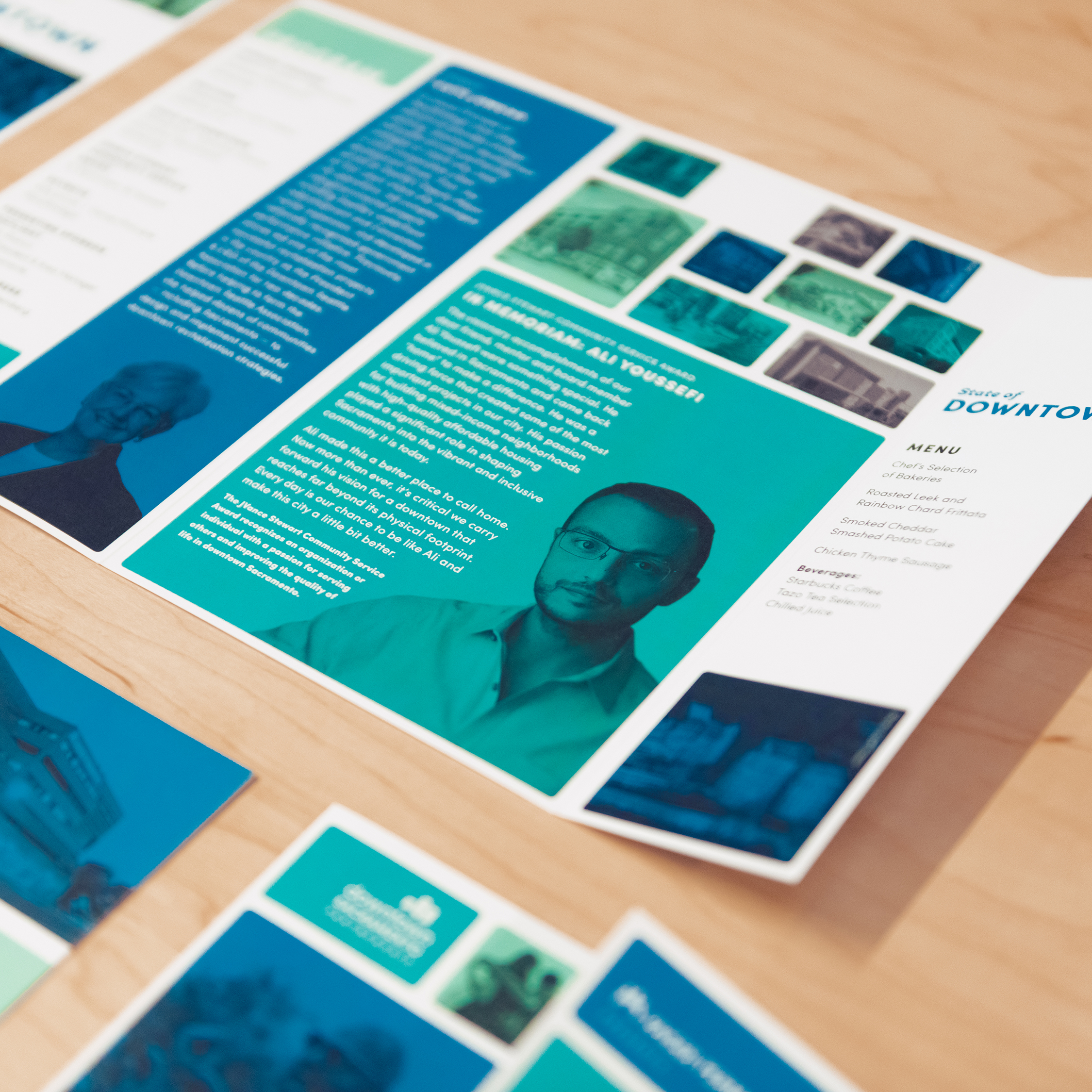
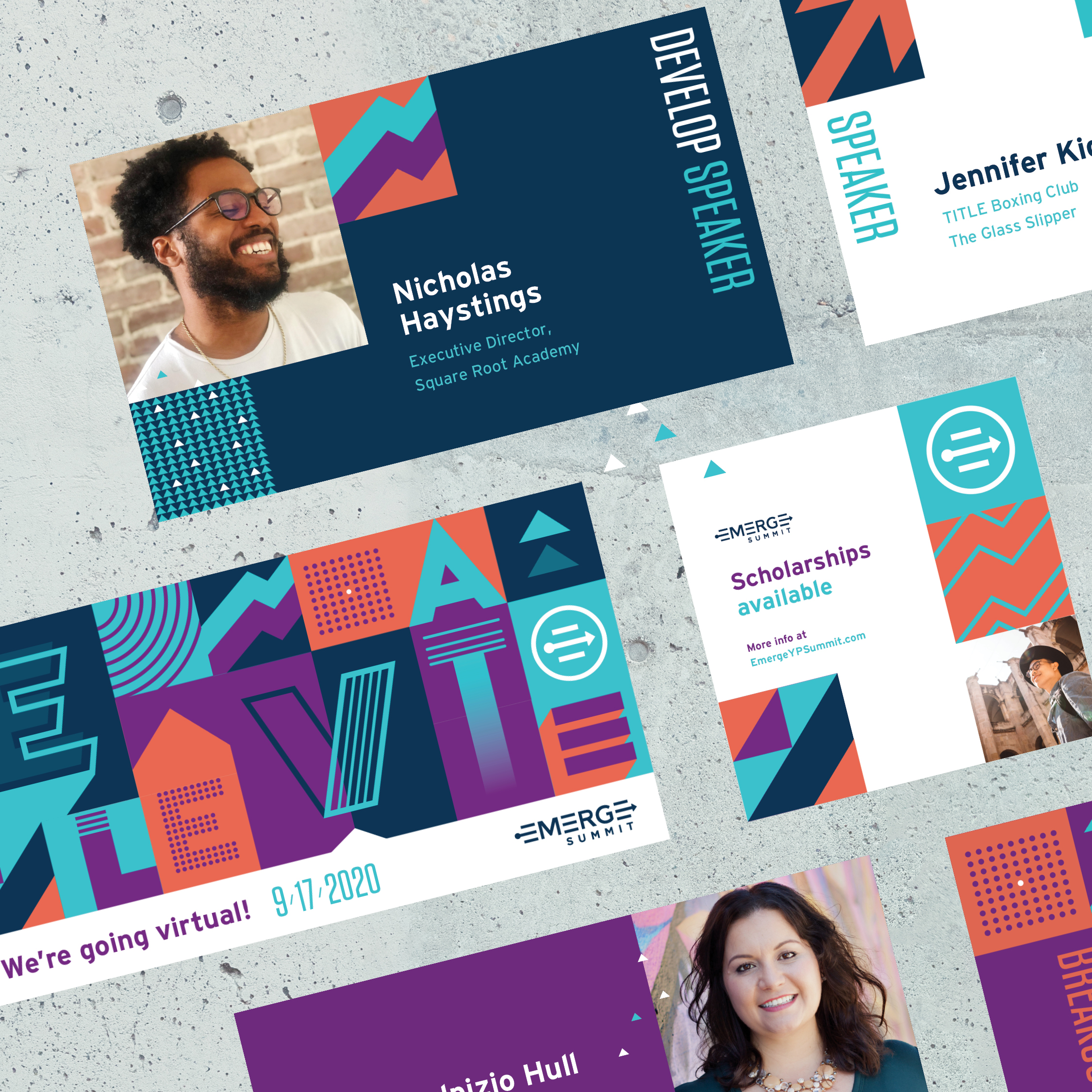
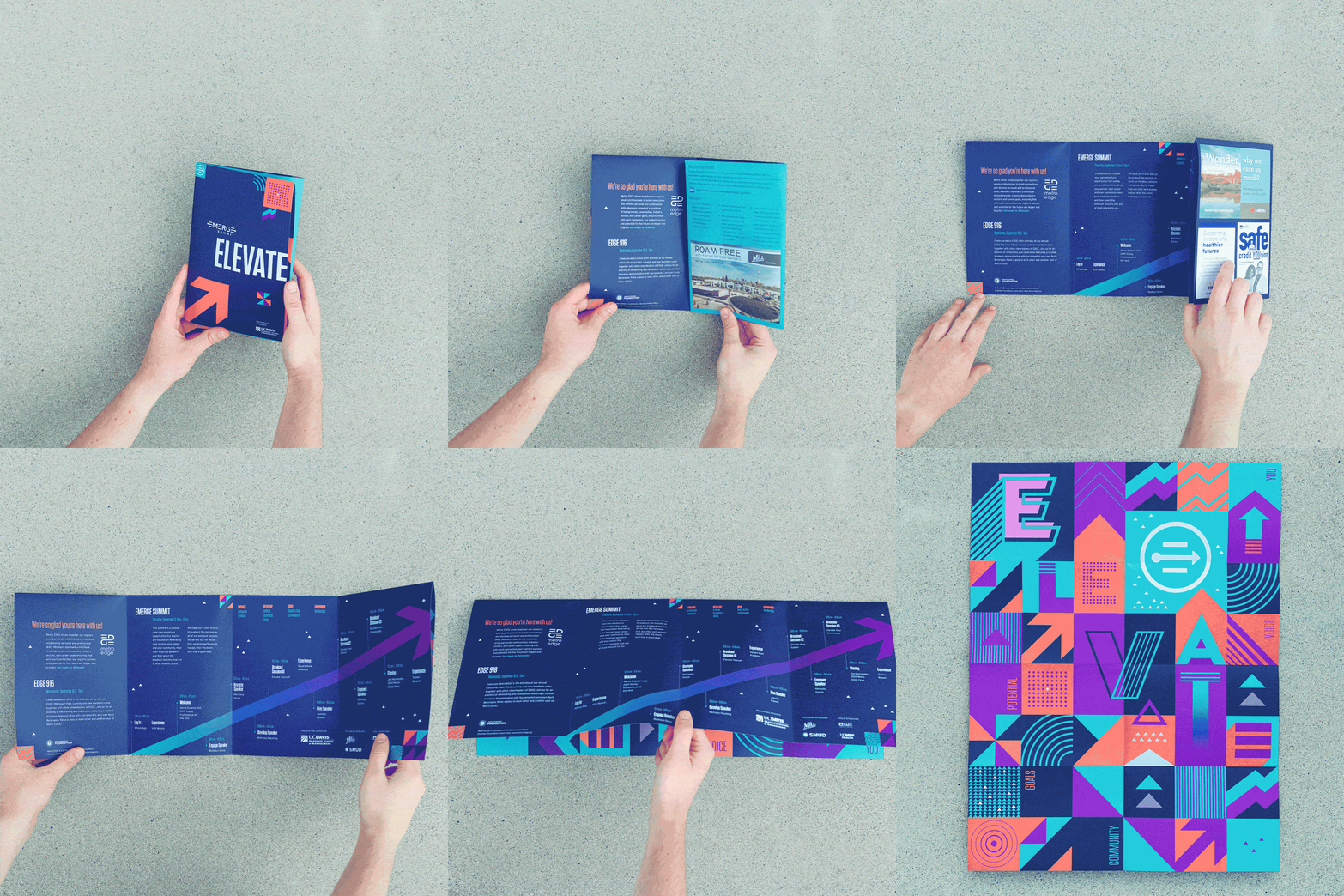
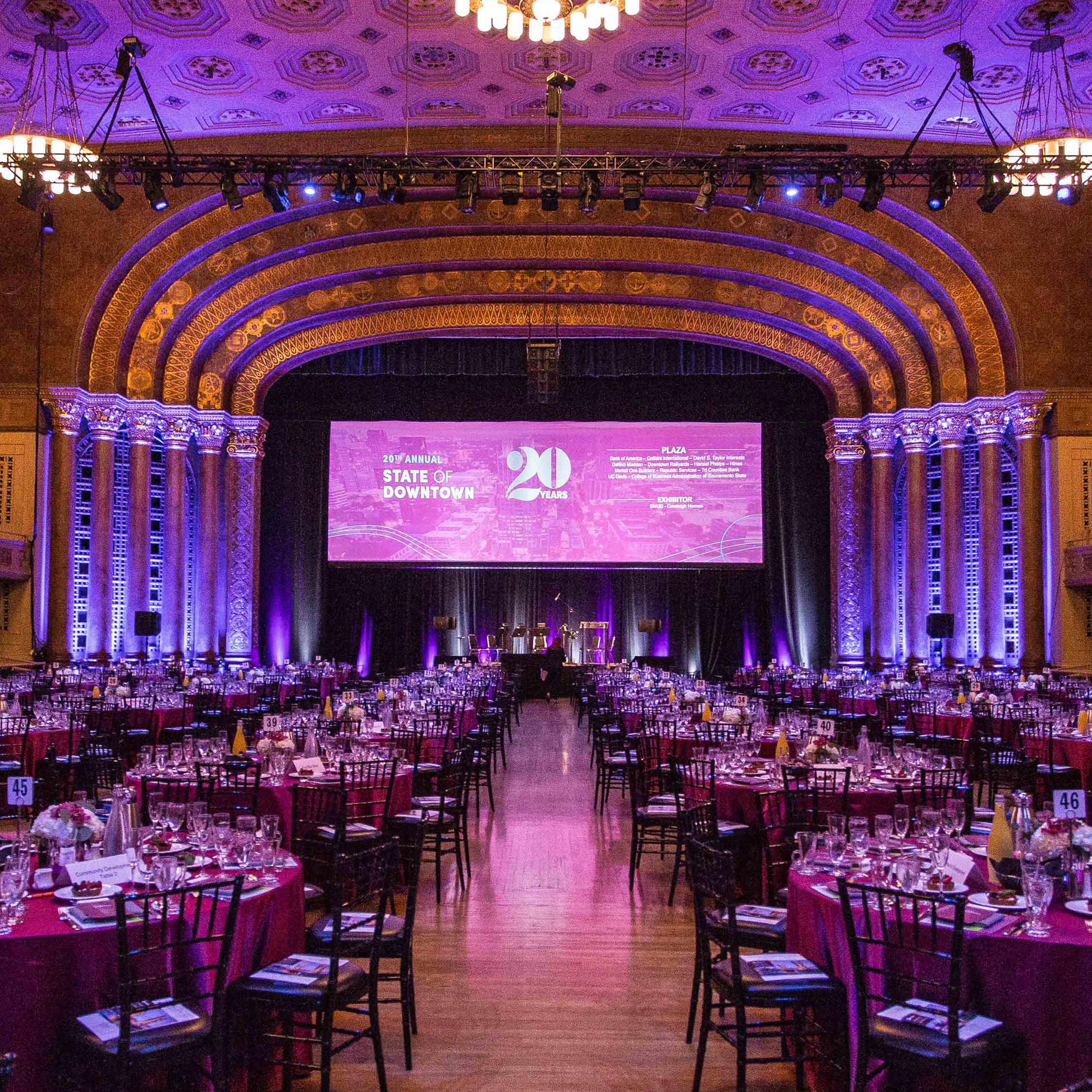
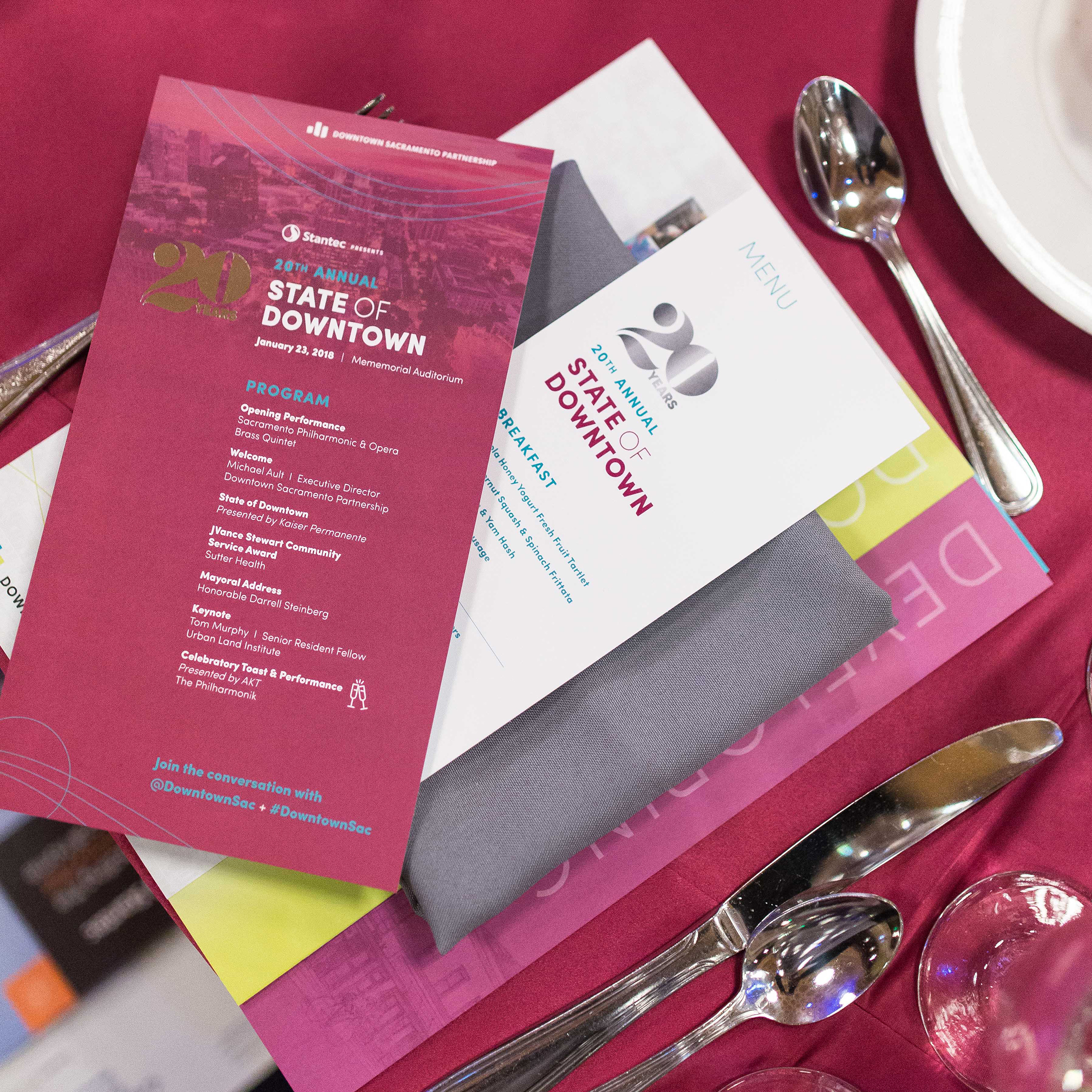
Events present a chance to create a physical extension of who you are as a brand. When executed properly, event branding delivers an experience that engages members while elevating the value and perception of your organization.

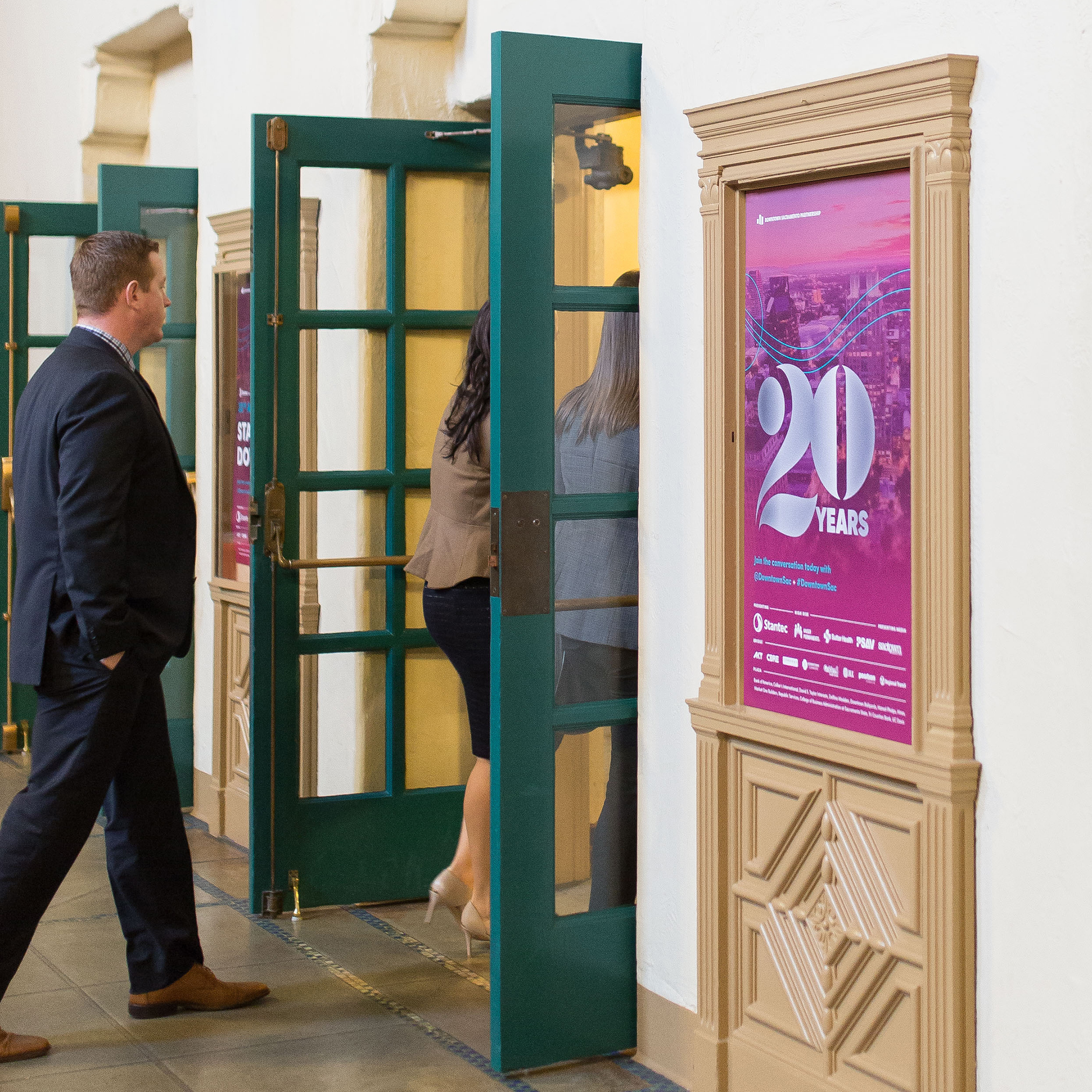
What Do We Mean by Elevated Event Branding and Design?
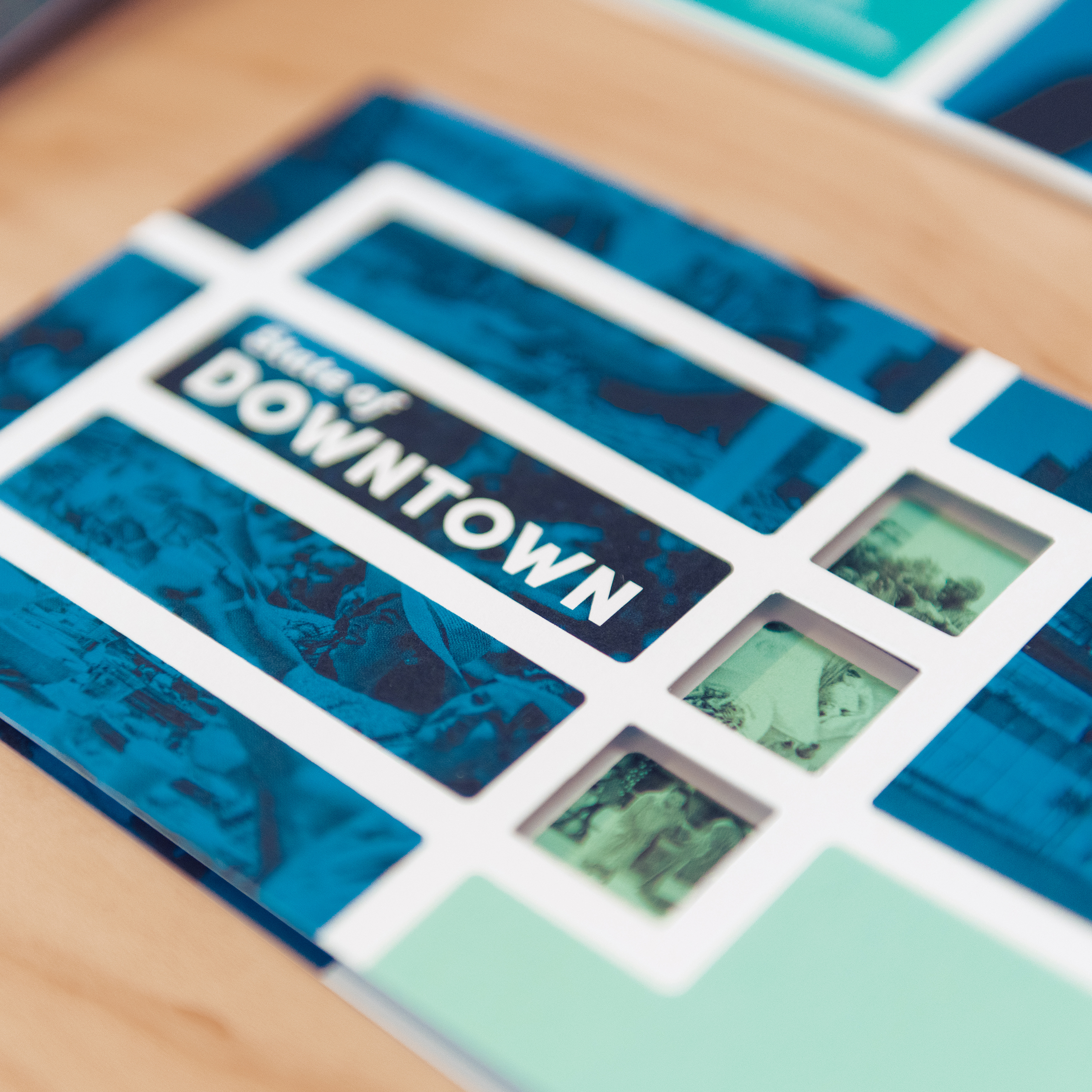
Branding your event requires more than a color scheme and clever theme. Any association can create collateral pulled from a few standard design templates and hope for the best. But how do you take an event to the next level?
Put simply: you create an event experience that’s smart and elevated. When we say smart, what we mean is that your event’s design is inspired by strategic decisions rather than arbitrary preferences. Each detail and design element you choose to incorporate into your event should be there because it reinforces the goals of your organization.
However, an elevated event experience doesn’t only communicate all the right things to embody your brand’s position. It can also inspire your members with a cohesive visual presentation and create a positive connection with your brand.
Think of what happens when you dine at a high-end restaurant. From the moment you check in with the host all the way up through dessert, your experience has been curated to communicate a message about where you are. Your event should provide the same elevated, consistent experience for your members.
Successful Events Rely on a Unified Purpose and Vision
From the earliest stages of marketing to the moment members leave the venue, the most successful events deliver an experience consistent with their brand. They are planned around a distinct set of goals. Every element of the event reflects a unified narrative and central purpose that serves the organization.
For example, if one of the goals of your event is to encourage renewals, then a well-branded event provides an opportunity to boost enthusiasm for members. If they feel energized and engaged by an event that’s elevated, cohesive, and exceeds expectations, they’re more likely to attend more events. And event attendance is a key element of member retention.
Any event is a two-part experience: The pre-event marketing and the in-person experience. Months beforehand, your communications should set the tone by providing a consistent journey from the save-the-date announcement through ongoing marketing. At the event each interaction with your members is a moment that adds to or detracts from the overall experience.
A successfully branded event comes down to bringing three elements into alignment:
- Quality of production: Is everyone on the team, from AV to the event planner, working together to maximize the attendee experience around the same goals? In our experience, collaboration and synergy can quickly take an event from good to great.
- Quality of content: Is your program and its messaging consistent with the event’s purpose and your organization’s goals? Relevant and valuable content is the backbone of a successful event.
- The marketing and visual experience: Is every visual element leading up to and during your event communicating a clear message that’s right for your brand? Up until they walk in the door, this is all attendees and sponsors have to judge your event by.
At Position, we align each of the elements above by collaborating with your team and event planners to ensure all aspects of your conference or gala reinforce your brand’s story. By shaping all the details into a cohesive whole, your organization delivers a more engaging experience for the audience who matters most.
Successful Event Branding Is an Extension of Your Organization
Organizations like yours host events for a number of reasons. Bringing your members together can provide real educational or inspirational value, convert attendees to members, and increase revenue through additional sponsorship. With the help of the right partners, your events can become game-changing assets for your organization.
When Associated General Contractors of California wanted to breathe new life into their organization and events, we helped them evolve their 100 year old brand and reimagine their industry conference. With AGC’s new strategic branding in place for its events, the organization increased attendance for CONSTRUCT 2021 by 31% and sponsorships for their Gala by 300%.
Your ability to deliver an experience that serves your organization’s goals is a complicated, high-stakes undertaking. You shouldn’t have to navigate all the details on your own.
How to Know Your Event Needs a More Thoughtful Approach to Branding
A conference that acts as an extension of your brand reinforces the value of belonging to your organization. The equity you gain from a successful event constitutes something of a loop.
The more engaging experience your members have, the more likely they are to attend the following year and renew their membership. As member attendance and engagement grows, so do sponsorship dollars.
Your event branding should add to the overall perception of your brand among your members and in the marketplace. But knowing whether the time is right to take your event to the next level depends on your organization. If attendance has been lagging, sponsorships have been flat, or you want to unlock untapped potential, it’s time to create a more engaging experience that’s aligned with your brand. If you’re ready to create a flagship event for your organization, we should talk.
Before Making Branding Investments for Your Member-Driven Organization, Analyze Impact
Branding is the sharpest tool you have to attract and keep members. But it’s also a way to realize your organization’s purpose by building recognition and trust. There’s no question about it: if you want to grow your member-driven organization, you need to invest in branding.
Deciding what branding efforts to pursue — and when — isn’t easy. Should you start with a website rebuild? A microsite for an upcoming campaign? Or should you start with something much smaller, like a presentation template? Of course, budget plays an important role in your branding plan. But so do your CEO and board members. It all adds up to a lot of pressure to get it right — the first time.
You’ve got to identify your most pressing problems and opportunities so you know which solutions to prioritize. That requires beginning your branding work with an expert analysis of your current brand ecosystem.
Partnering with an agency specializing in member-driven organizations can give you the truth about your current branding efforts. You’ll get the benefit of unbiased expertise, which will help minimize the risk of future bad brand investments. Plus, a thorough analysis can assure your resources will be used to maximize positive impact on your organization and your members.
3 Brand Investment Mistakes Organizations Make
Organizations never want to make bad investments, yet it happens all the time. A poor choice can do more than derail your branding plan; it can harm your organization’s reputation. And when you don’t have an unlimited budget, it might be years before you can make another significant investment.
There are three ways organizations like yours can make mistakes with their brand investments.
1. Setting the Wrong Budget
Sometimes the approved budget doesn’t support the real investment that’s required to produce results. It can take months to secure a branding budget. If the budget isn’t adequate, you might be tempted to settle for cheap solutions.
2. Miscalculating the Timeline
It’s not just the budget that can cause problems; timelines can, too. For example, you may discover you actually need a new messaging platform before the website rebuild you mapped out. Your timeline could potentially double! And, of course, reworking your entire proposed timeline negatively affects your carefully laid plans, and relationships with others in your organization.
3. Carrying Out the Wrong Solution
Budget and time pressure can lead to choosing solutions that are cheaper and faster — which may not be solutions at all. All elements of your brand interact and build on top of each other, so one incorrect decision will have a ripple effect.
It’s also all too easy to prioritize the wrong element. You may believe website redesign should be your priority, but the truth is that you need a brand identity redesign first. Your organization could spend time and money on a solution that doesn’t get you the results you hope for.
Begin With an Objective Evaluation Before Making Investments
Avoiding the common mistakes starts with clearly evaluating the current state of your brand. An outside partner like Position can precisely diagnose issues and build a personalized brand plan to ensure your investment is a good one. And that begins with an audit of the totality of your organization’s current brand positioning and ecosystem. After all, accurately mapping the way forward requires knowing your starting point.
Discover Where to Maximize Impact By Auditing Your Current Brand Ecosystem
Current Brand Positioning
We’ll start by asking these broad questions about your brand positioning:
- What is the purpose of your organization?
- Who does your organization serve and what are their needs?
- Where is your organization going?
The way we gather and analyze positioning information helps us understand your organization’s underlying challenges and opportunities.
Current Brand Ecosystem
Auditing your brand ecosystem is a rigorous process. We will detail what components are present and whether or not they are in alignment with your organizational mission and identity.
We will evaluate your organization’s:
- Resources (budgets, board, staff, vendors, and volunteers)
- Brand system and collateral
- Digital platforms
- Current and past campaigns and initiatives
- Current and past strategic marketing plans
- Demographics research
- Current vendor relationships and contracts
- Sponsor contracts
- Member benefits
Once we understand your past and current state of affairs, member personas, and organizational goals, then we can help prescribe the right solutions.
Formulate a Custom-Built Plan of Action
Auditing your brand positioning and ecosystem provides time for us to collaborate with you. We’ll gain understanding of your challenges as you see them, and share our understanding of your challenges as we see them. Together, we will prioritize the items in your custom plan of action to maximize your budget and potential impact.
There’s no one-size-fits-all solution. Each membership organization has unique priorities, and each marketing director comes with their own expertise. Even though membership organizations are all different, you can rely on the stability of our experience. You won’t have to wonder — or wrongfully assume — cost, timeline, or optimal order of projects.
Naturally, needs differ from organization to organization, but the following serve as examples of potential plans of action. We might:
- Redesign your member onboarding process.
- Rework and strengthen your messaging platform to amplify all other brand efforts.
- Redirect resources allocated to a new website feature to curation of a robust email newsletter.
- Create a sponsor deck to help you raise money for an important initiative.
- Prioritize rebranding events before building a website.
Leaning on our expertise in robust brand ecosystems will align/enhance your marketing efforts to maximize results. Our objective report and detailed, custom strategy illuminates the right path forward. You can get it right the first time and avoid additional costs for re-dos and rebuilds.
Brand change requires wise use of your resources. But most importantly, it requires a willingness to review, reflect, and listen to sound advice. If you’re ready to make the right investments to serve your members better and attract more prospects, let’s talk.