

7 Actionable Tips for Marketing Your Association This Year
Marketing an association has never been simple. But right now, it’s especially demanding.
Member expectations are rising. Teams are lean. Budgets are scrutinized. Marketing directors are expected to deliver clarity, engagement, and measurable value, often without the systems or support that make that work easier.
The associations that succeed are not the ones doing more. They are the ones making better decisions earlier and building the right foundations before execution begins.
Here are seven tips to guide a more focused, more effective year of member-driven marketing.
1. Start the year by deciding what not to work on
When everything feels like a priority, strategy disappears.
Many associations move straight into new campaigns or initiatives without first understanding how their brand is actually performing. Over time, this leads to disconnected efforts that feel productive on the surface but fail to build momentum.
A stronger starting point is to step back and look across the full brand ecosystem: how messaging shows up across channels, how members experience the website and events, and where gaps exist between intention and reality. This shift from activity to clarity is at the heart of Before Making Branding Investments for Your Member-Driven Organization, Analyze Impact.
2. Level up your AI-generated content with a brand messaging system
AI can produce content quickly. What it cannot do is decide what your organization should sound like.
Marketing teams everywhere are experimenting with AI-generated content. The difference between usable output and generic noise almost always comes down to context. Teams see better results when they start with rough drafts of original thinking and then layer in their brand messaging system.
That added structure keeps AI-generated content consistent, grounded in a larger narrative, and aligned with values and tone built around your members. The strategic role of shared language and systems is unpacked in How a Brand System Accelerates the Impact of Your Member-Driven Organization.
3. Have a trusted friend audit your website
Your website probably makes sense to you. That does not mean it makes sense to members.
Instead of debating improvements internally, identify the top three things you want prospective or current members to do on your website. Then ask someone who is unfamiliar with your organization to attempt those tasks without guidance.
Where they hesitate or get lost is where friction lives. This outside-in perspective is often what separates websites that function from websites that truly serve members, a distinction I explored in 7 Website Features That Empower Associations to Serve Members at a Higher Level.
4. Take a baby step on the rebrand you’ve been putting off
Too many rebrands are dangerously delayed because getting started feels overwhelming.
Instead of treating a rebrand as all-or-nothing, start with a brand asset inventory. Take stock of your website, emails, social media, event materials, webinars, membership collateral, sponsorship assets, and any other touchpoints members or prospects encounter. Assess which assets are not aligned with your brand, identify gaps, and determine which assets have the greatest real-world impact.
This first step brings clarity without committing to a full rebrand and helps teams focus on what actually matters. A Timeline to Successfully Rebrand Your Member-Driven Organization frames this kind of inventory as a practical way to build momentum and alignment before making larger changes.
5. Rein in your member events
Your events team and board committees love themes, but your brand needs discipline and strategy.
When every year has its own look, name, and personality, recognition resets each time. Members struggle to connect experiences year over year. Internal teams recreate assets from scratch. Sponsors have a harder time seeing long-term value.
Reining in event branding doesn’t mean eliminating creativity. It means deciding where consistency should live and where variation adds value. That balance is explored in Themed vs. Evergreen Event Branding: Which Approach Fits Your Association?, which helps organizations avoid reinventing the wheel while still keeping events fresh.
6. Unlock event impact by actually starting planning earlier
Almost every association says the same thing after an event wraps: “Next year, we’ll start earlier.” And almost every year, they don’t.
Early planning gets deprioritized in favor of more immediate demands until timelines compress and branding decisions become reactive. When that happens, opportunities for stronger storytelling, creating sponsor value, and member engagement quietly disappear.
Starting earlier isn’t about over-planning. It’s about creating enough space to make better decisions. When branding and messaging are addressed sooner, events are better positioned to reinforce the organization’s narrative and deliver a more cohesive experience. That difference is clearly outlined in What Goes into Creating an Elevated Branded Event — and How to Stay on Schedule.
7. Don’t let RFPs lead decisions they were never designed to make
RFPs are often used to create fairness or to satisfy a perceived requirement. In many organizations, they become the default starting point for vendor selection.
The issue is that RFPs are not designed to surface the best thinking or the best fit. They tend to reward compliance rather than insight. When RFPs drive marketing decisions, organizations often optimize for process rather than results.
For most marketing initiatives, stronger outcomes come from clarifying goals first and evaluating partners based on experience, alignment, and demonstrated capability. We explored this perspective in Does an RFP Get Your Organization What It Really Needs? Or Just What You Ask For?, which explains why qualifications-led approaches consistently produce better long-term results.
A Stronger Year is a More Intentional One
We know marketing an association is demanding work, and most teams are doing their best with limited time and resources. The goal of these tips isn’t to add more to your plate, but to help you focus on the decisions that make the rest of the year easier and more impactful.
Small shifts made early can create real momentum. When priorities are clearer, and systems are more aligned, teams spend less time reacting and more time building work they’re proud of.
Here’s to a successful 2026!
How Messaging Frameworks Turn Strategy Into Momentum
When the Mission Statement Isn’t Enough
All associations start with a mission statement. It’s the compass that points toward purpose. The line that sums up why your organization exists.
But while a mission can inspire, it can’t direct. It tells you why you exist, not how to communicate, engage, or connect.
That’s why so many associations are not as effective as they could be. Marketing runs one way, programs run another, and the board has its own interpretation of the mission. Everyone’s technically rowing in the same direction, just not in rhythm.
If your work doesn’t seem to move the needle, the issue isn’t effort. It’s messaging.
The Gap Between Inspiration and Alignment
Mission and vision statements are essential, but they are often broad. They’re designed to inspire, not to guide daily decisions.
When that’s all an organization has, every department fills in the blanks differently.
One staff member explains the association’s purpose as ‘providing networking and education.’ Another describes it as ‘giving our industry a voice.’ A board member might frame it as ‘advocacy and influence.’ None are wrong, but when each version sounds different, the story starts to blur.
That confusion trickles into daily work. Without shared language, every campaign and event becomes a fresh start. You spend hours wordsmithing instead of accelerating. Staff alignment fades. Member engagement stalls.
That’s why successful associations go beyond mission and vision. They invest in a brand messaging framework. A practical system that unifies everyone around a single, cohesive story.
From Purpose to Practice
A mission statement defines why you exist.
A messaging framework defines how you bring that purpose to life across every program, event, and campaign.
A well-built messaging system gives your organization the clarity and direction your team needs to work confidently. And when the internal picture is clear, members feel it in every interaction. It becomes the bridge between strategy and execution, translating purpose into practical language that your organization can use and your audience can immediately understand.
Every time you launch a campaign, develop a new member program, or pitch a sponsorship, you return to that shared foundation. Instead of starting from scratch, you’re building from the same story, one that creates consistency inside the organization and continuity for the members you serve.
The result? A team that moves in sync and communication that feels clearer, consistent, and compelling to members.
A messaging system gives you:
- Clarity — everyone knows what to say, making it easier for members to understand your value
- Alignment — staff, board, and volunteers speak with one voice, creating a cohesive experience internally and externally
- Acceleration — campaigns and initiatives move faster because the foundation is already set
It’s not about replacing your mission. It’s about operationalizing it, giving your words structure so your team can act with confidence and your members can experience your purpose more clearly.
What a Messaging Framework Looks Like
A strong messaging system turns your purpose into a living, breathing language. It ensures that everyone from your membership director to your conference emcee communicates in a way that feels unmistakably you.
At Position, we build messaging systems that can include:
- Mantra — The spark behind everything your brand says or does
- Brand Promise — What every person should feel when they engage with you
- Positioning Statement — Who you are, what you do, who you do it for, and how you’re different
- Character — The human traits that define your personality
- Voice, Tone, and Style — The way you sound in every channel
- Why / How / What — The narrative structure connecting purpose to action
- Messaging Pillars — the core themes you reinforce across every program, campaign, and touchpoint
- Audience Messages — high-level language tailored to key groups like members, prospects, sponsors, and policymakers
- Proof Points — clear, repeatable statements that demonstrate credibility and reinforce your positioning
When you have this foundation, you stop reinventing the wheel. You gain a shared vocabulary that builds confidence, consistency, and speed.
Verbal Identity: The Most Accessible Part of Your Brand
Design may be the most visible part of your brand, but language is the most accessible. Every staff member, volunteer, and partner uses it every day.
Branding expert Ashleigh Hansberger puts it well:
Your verbal identity is like your brand’s unique accent. Just as a person’s accent reveals who they are and where they’re from, your brand’s accent expresses its personality, values, and point of view.
That’s why your messaging system matters. It’s not just for marketing. It’s for everyone who represents your organization. A shared language gives staff confidence, aligns leadership, and strengthens the member experience.
A clear message builds alignment inside the organization and trust outside it.
How to Know It’s Time for a Messaging System
If you’ve ever tried to summarize your association in a few words and found yourself hesitating, that’s your first clue.
But here are some others:
- It’s hard to succinctly explain why someone should join
- Your brand feels dated or disconnected from where you’re headed
- Different departments describe your value in different ways
- You’re preparing for a rebrand and want it to actually mean something
- You struggle to differentiate from peer organizations
If any of these sound familiar, it’s not your marketing. It’s your messaging.
From Words to Momentum
A well-crafted messaging framework isn’t just a communications tool; it’s a decision-making tool. It helps you evaluate ideas, refine programs, and focus resources on what supports your story.
When every campaign, event, and partnership connects back to a shared message, you’re not just consistent, you’re compelling.
Stop reinventing the wheel. Build alignment around a shared story, and everything you do, marketing, events, advocacy, and member experience, will move faster and farther.
Your mission defines your purpose.
Your messaging framework turns it into momentum.
Designing Belonging: Why Associations Deserve Better Design
Imagine an association where members feel proud every time they log in, attend an event, open an email, or wear the logo on their chest. Where the brand feels alive, vibrant, modern, intentional, and every touchpoint radiates care, confidence, and belonging.
Imagine a member experience so seamless, so thoughtfully crafted, it disappears into the background. Because that’s what good design does: it gets out of the way and lets pride, connection, and identity shine through.
This is what associations can be.
More Than Networking and Advocacy
For decades, associations have defined themselves by what they offer: networking, professional development, and advocacy. And yes, those things matter. They always will.
But members want something more. Something harder to measure but impossible to ignore. They want to feel proud to belong. They want their association to reflect the best of who they are, individually and collectively.
Great design is how you deliver that.
Design is more than aesthetics. It’s the intentional creation of experiences that connect strategy with emotion. It’s how a website feels intuitive and familiar, like it was built for your members. How an event becomes the one they plan their year around. How every touchpoint tells the same story and makes members feel proud to belong. Because when design works, it feels like a place they truly belong—a brand that reflects the pride and power of its members.
Design Builds Pride
John Cary, author of Design for Good, wrote:
“Beauty is not a luxury. Well-designed spaces are not just a matter of taste; they shape our ideas about who we are and what we deserve.”
He was speaking about architecture. But the same truth applies to design for associations.
Your website, your events, your publications. They’re the spaces where members gather. When those spaces are beautiful, intentional, and human-centered, you send a powerful message:
You matter. You belong here. This is a place worth investing in and being proud of.
That’s what design does. It turns ordinary experiences into moments of pride and connection.
The World Won’t Wait

Members today live in a world of polished, seamless experiences. Apple. Google. LinkedIn.
When they move from those experiences into yours, they shouldn’t feel like they’ve stepped back in time. They shouldn’t feel like your brand is an afterthought or your website is a relic from a decade ago.
Whether you realize it or not, members are constantly making subconscious judgments.
About your relevance. About your professionalism. About whether this is a community they want to associate with.
Design shapes those judgments long before words do.
Belonging by Design
When you invest in design, here’s what happens:
Members feel pride. They want to wear the shirt, share the story, and post the photos because your brand reflects them at their best.
Technology feels seamless. Your AMS, CRM, and event platforms work together like they were built for people, not administrators.
Your story feels cohesive. Every touchpoint, from emails to the event stage, tells the same compelling narrative.
This isn’t just about looking pretty. It’s about creating a sense of belonging so strong that members don’t just stay, they recruit others.
It’s Time to Lead Boldly
Associations have a long track record of service. But too many look and feel like small nonprofits when they should look and feel like the proud champions of industries or professions that they are.
Members deserve more than “good enough.” They deserve experiences as bold as the professions you represent. As modern as the causes you fight for. As beautiful as the pride you want them to feel.
Your Members Deserve Better

When associations embrace design, they stop competing on benefits alone.
They build movements.
They attract loyal members and passionate sponsors.
They turn ordinary events into moments of identity and pride.
Because good design doesn’t just change how things look.
It changes how people feel.
And when people feel proud to belong, everything else, like retention, engagement, advocacy, follows naturally.
Your Association’s Anniversary Isn’t About the Past — It’s About What’s Next
Milestone anniversaries are a rare and valuable opportunity for associations to reflect on where they’ve been and, more importantly, where they’re going. When done well, they can energize your membership, reinforce your mission, and open up new conversations with sponsors and stakeholders. When done poorly, they can leave your organization looking dated, off-message, or worse, out of touch.
Too often, we see associations let these moments slip by with generic celebrations, confusing visuals, or a nostalgic tone that doesn’t reflect who they are today. The most effective celebrations connect your history to your future, root the messaging in your strategic direction, and engage your community in a meaningful way. Here’s how to get it right.
Make the Message About Your Future
Your anniversary isn’t just about looking back. It’s a chance to spotlight the progress your organization and your members have made together. Yes, honor the history. But make sure you’re framing it as a foundation for what’s ahead.
Start by grounding the celebration in your current mission and vision. What does this milestone say about the impact you’ve made? Where are you going next? A values or goal-based theme, rather than a date-driven one, will age better over the course of a year-long campaign and create deeper resonance.
- Use the past to validate the future. Show how your legacy supports your strategic direction.
- Celebrate members, not just the association. Highlight the role your community has played in getting you here and the role models who reflect where you’re going
- Keep the tone fresh and optimistic. You’re not a museum; you’re a movement.
This framing also makes your content more versatile. You can run the campaign throughout the year without it feeling stale, using the theme to anchor social posts, events, and member spotlights.
Let the Brand Do the Talking
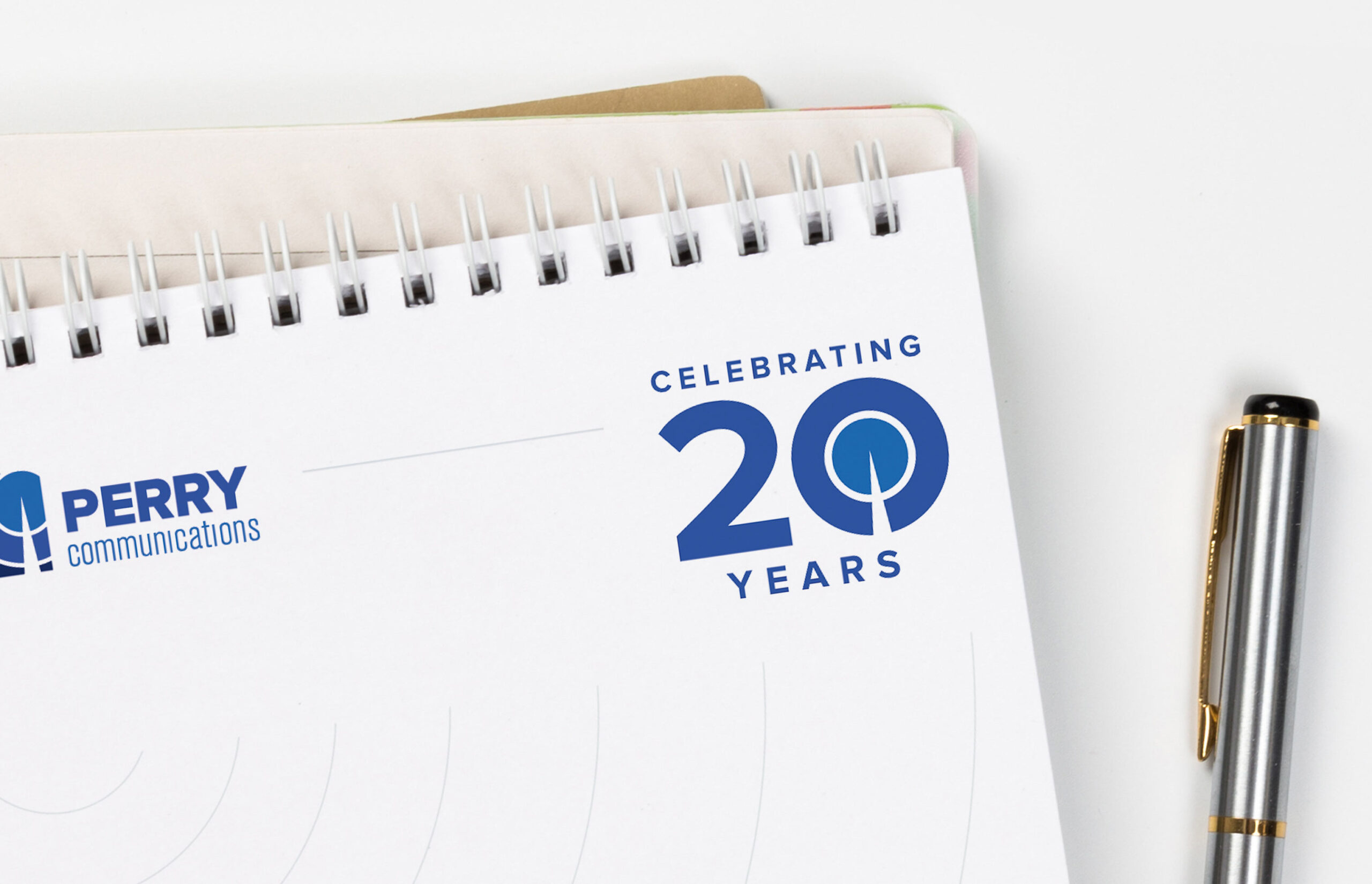
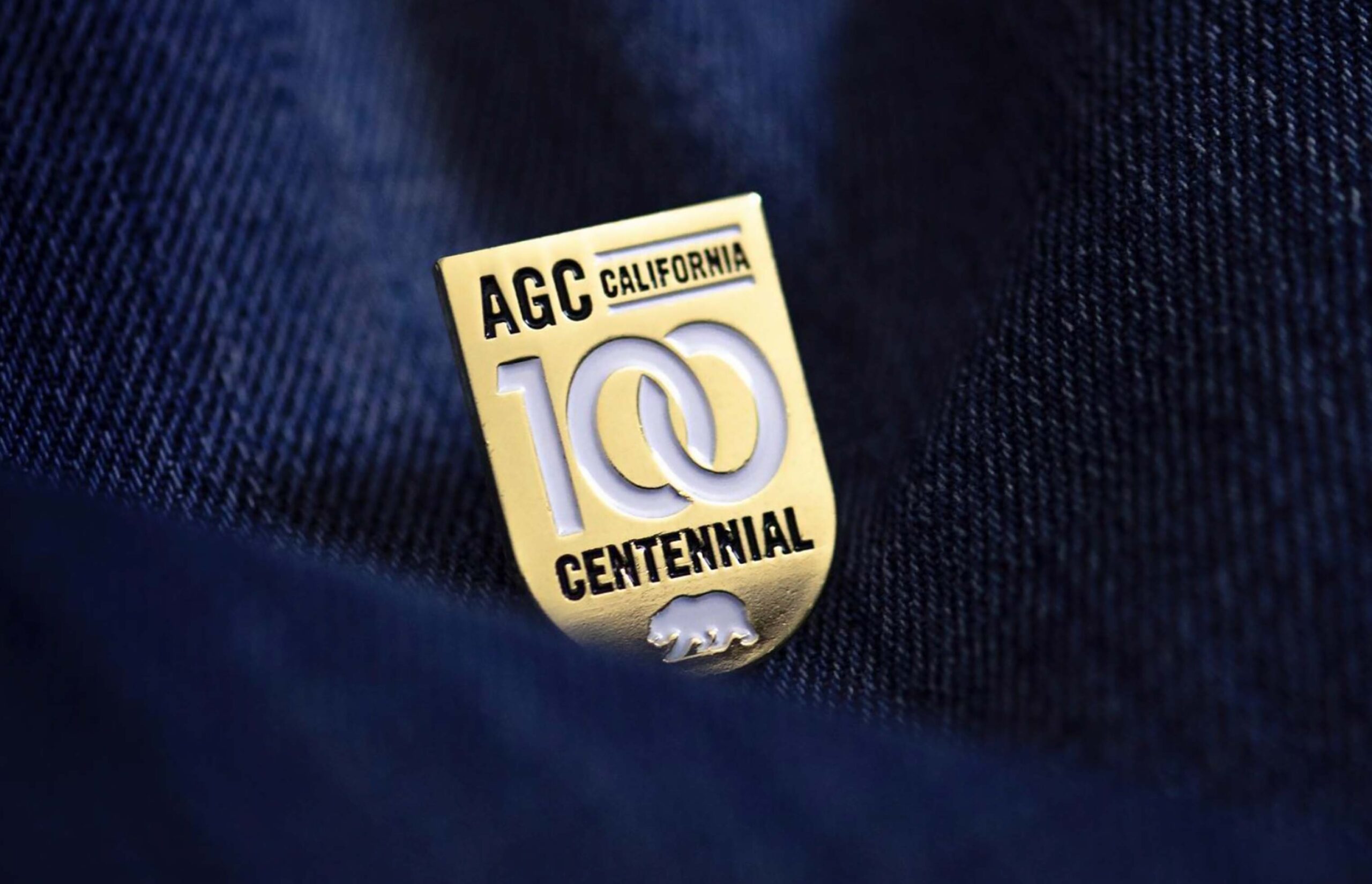
It’s tempting to tweak your logo to mark a milestone but resist the urge. Your logo is one of your most recognizable assets; altering it (even temporarily) will dilute your brand. Instead, develop a standalone anniversary badge or seal that can live alongside your logo without competing with it.
A clean, separate badge that says “50 Years of (insert your value here)” or “75th Anniversary” communicates the moment clearly without diluting your identity. Think of it as a campaign element and not a temporary design change.
And remember, the badge isn’t just a visual, it’s a signal. It tells members and stakeholders, “We’re proud of where we’ve been. And we’re looking ahead.” Pair it with messaging that reflects your core values and forward momentum.
This same principle applies to tone and voice. Your anniversary campaign should feel like a natural extension of your brand, not a departure from it. Use your existing brand guidelines to inform your voice and visuals. If your brand guidelines aren’t robust enough to drive this process, you may need to explore an expanded brand system.

Activate the Moment
Once your messaging and visuals are aligned, bring the campaign to life across your channels. A thoughtful rollout can build excitement, re-engage lapsed members, and invite participation. This isn’t a one-and-done moment—it’s a chance to show up consistently with purpose.
Some ideas:
- Launch a microsite or landing page that tells your origin story and outlines what’s ahead.
- Use your legacy to reinforce your current mission. Show how past accomplishments have laid the groundwork for where you’re headed and why your work matters now more than ever.
- Host a member-generated content campaign. Ask for stories, reflections, or photos tied to the organization’s impact. Highlight stories that demonstrate your vision for the future.
- Feature long-standing and newer members side-by-side to show evolution and continuity.
Most importantly, invite your members into the celebration. The more your community sees themselves reflected in the anniversary, the more powerful and personal the campaign becomes. This is an opportunity to strengthen loyalty and pride.
Make It Last
Don’t let the celebration end with a party or press release. Plan ahead to extend your content’s life and ensure it serves a purpose after the milestone moment passes. Your anniversary can create a content library that works for years to come.
- Repurpose stories, videos, and graphics into evergreen content.
- Use member testimonials in recruitment or fundraising materials.
- Turn historical content into educational tools or onboarding materials.
- Keep the anniversary badge on key materials throughout the year to extend visibility.
You might even tie the celebration to a campaign or initiative, whether a new member drive, a capital campaign, or a refreshed strategic plan. That way, the anniversary isn’t just a celebration of the past. It’s fuel for your next move.
Make It Count
Your anniversary is more than a date. It’s a strategic opportunity. Use it to celebrate where you’ve been and, more importantly, signal where you’re going. Ground the message in your mission, respect the integrity of your brand, and invite your community into the celebration. When done right, a milestone isn’t a look back. It’s a powerful step forward.
Themed vs. Evergreen Event Branding: Which Approach Fits Your Association?
Events are a critical touchpoint for associations, serving as a revenue stream and a platform for meaningful engagement. A well-executed event brand and theme can transform an annual gathering from just another date on the calendar into a must-attend experience. It establishes an emotional connection with attendees, communicates the organization’s values, and sets the stage for long-term engagement.
Associations often face the challenge of balancing tradition with innovation. How do you keep an event fresh each year without losing its identity? Effective branding provides the answer, ensuring consistency while offering room for creativity and evolution. A strong event brand not only drives attendance and sponsorship but also reinforces the organization’s identity, helping to foster deeper member connections and long-term loyalty.
Before exploring the two primary branding approaches, it’s important to understand what we mean by a ‘theme’ in event branding. A strategic theme is not just decorative but should connect to your organization’s identity, values, and audience interests. With that in mind, let’s explore the key strategies for branding your events.
Themed Event Branding
In themed event branding, the event’s visual identity changes entirely each year based on a new theme. Think of it as giving your event a fresh coat of paint annually, designed to excite and re-engage your audience. While this strategy generates renewed buzz and attracts returning attendees, it can also create challenges in maintaining long-term brand consistency and audience retention. Organizations must balance the excitement of a fresh theme with the need to reinforce an event’s value and identity over time.
Pros:
- Keeps things fresh
A new look each year creates excitement and signals something new to attendees. - Encourages attendance
A distinct theme can highlight what’s different and unique about this year’s event. - Offers creative flexibility
A new theme allows dynamic marketing campaigns to align with current trends and audience interests.
Cons:
- Higher costs and effort
Creating a brand from scratch each year demands more time and resources. - Potential misalignment
The theme can impact attendance and engagement if it doesn’t resonate with attendees.
Best For:
- Long-standing events with an established audience that already understands the event’s core value.
- Organizations looking to keep a fresh, dynamic appeal to returning attendees.
Evergreen Event Branding with Annual Themes
An evergreen event brand with an annual theme approach establishes consistency that builds year after year while integrating annual themes to keep things relevant. It should align with the association’s mission statement and long-term strategic goals by reinforcing key values, fostering brand recognition, and ensuring continuity in messaging. Maintaining a steady identity while adapting to industry trends helps associations build stronger relationships with their members in the long run.
Pros:
- Builds brand equity
A consistent event identity strengthens recognition and trust over time. - More efficient marketing
Evergreen elements can be reused, reducing design and production costs. - Supports long-term storytelling
Allows for themes that align with organizational values. - Facilitates early marketing
Core branding elements enable save-the-dates and sponsorship outreach before finalizing the year’s theme.
Cons:
- Requires upfront investment
Establishing a strong evergreen brand takes strategic planning and initial design resources. - Risk of stagnation
If the evergreen branding isn’t periodically refreshed, it can feel stale. Small updates to the design system can help keep things exciting. - Negative Brand Perception Carryover
If one year’s event underperforms, the association with past experiences can hurt future attendance. Address attendee concerns directly and make visible improvements.
Best For:
- Organizations building or re-establishing the reputation of their event.
- Events that benefit from strong brand continuity and long-term audience trust.
Choosing the Right Approach
If your event has an established audience and thrives on fresh, dynamic appeal, an annually themed approach can keep things exciting while reinforcing its core value. For organizations building or re-establishing an event’s reputation, an evergreen brand offers long-term consistency while allowing room for creative variation.
Evaluating the best event branding strategy requires a deep understanding of your audience, organizational objectives, and long-term vision. Start by assessing how your current event branding is perceived—does it generate excitement and recognition, or does it need a refresh? Conducting surveys, reviewing attendance trends, and analyzing sponsorship retention rates can provide valuable insights.
Regardless of the approach, well-executed event branding fuels marketing, drives attendance, and enhances sponsorship opportunities. If you’re unsure about the best strategy for your event, a thoughtful discovery process—and expert guidance—can help you make the right decision.